Updated: 16 October 2026
What the operation is
Lymph-sparing (tumescent) liposuction differs from cosmetic liposuction. Its aim is to reduce pain, swelling and restricted movement, not only to change the body contour. The surgeon infiltrates the tissue with tumescent solution and removes the diseased fat with thin blunt cannulas, moving along the lymphatic vessels to avoid damaging them. Water-jet assisted (WAL) or power-assisted (PAL) techniques are used.
Who is a candidate
- lipedema confirmed by examination and ultrasound;
- pain, bruising, swelling or limited mobility despite conservative therapy;
- stable weight and general health that allows surgery.
If there is significant obesity, weight reduction is usually recommended first to improve safety and results.
How treatment works
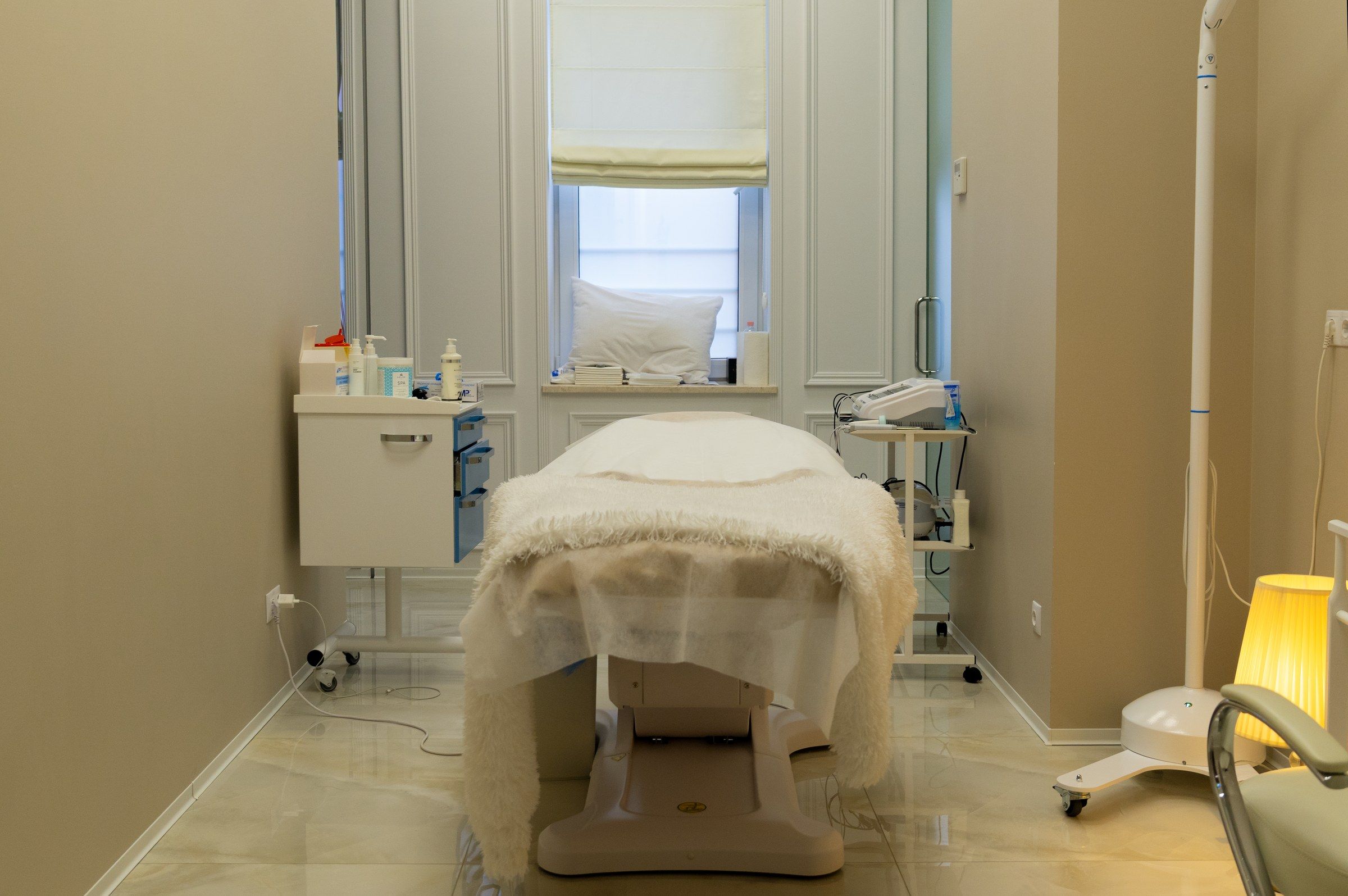
- Consultation and ultrasound — stage, areas, number of stages and a quote.
- Preparation — blood tests, ECG, anaesthetist consultation, compression garment fitting.
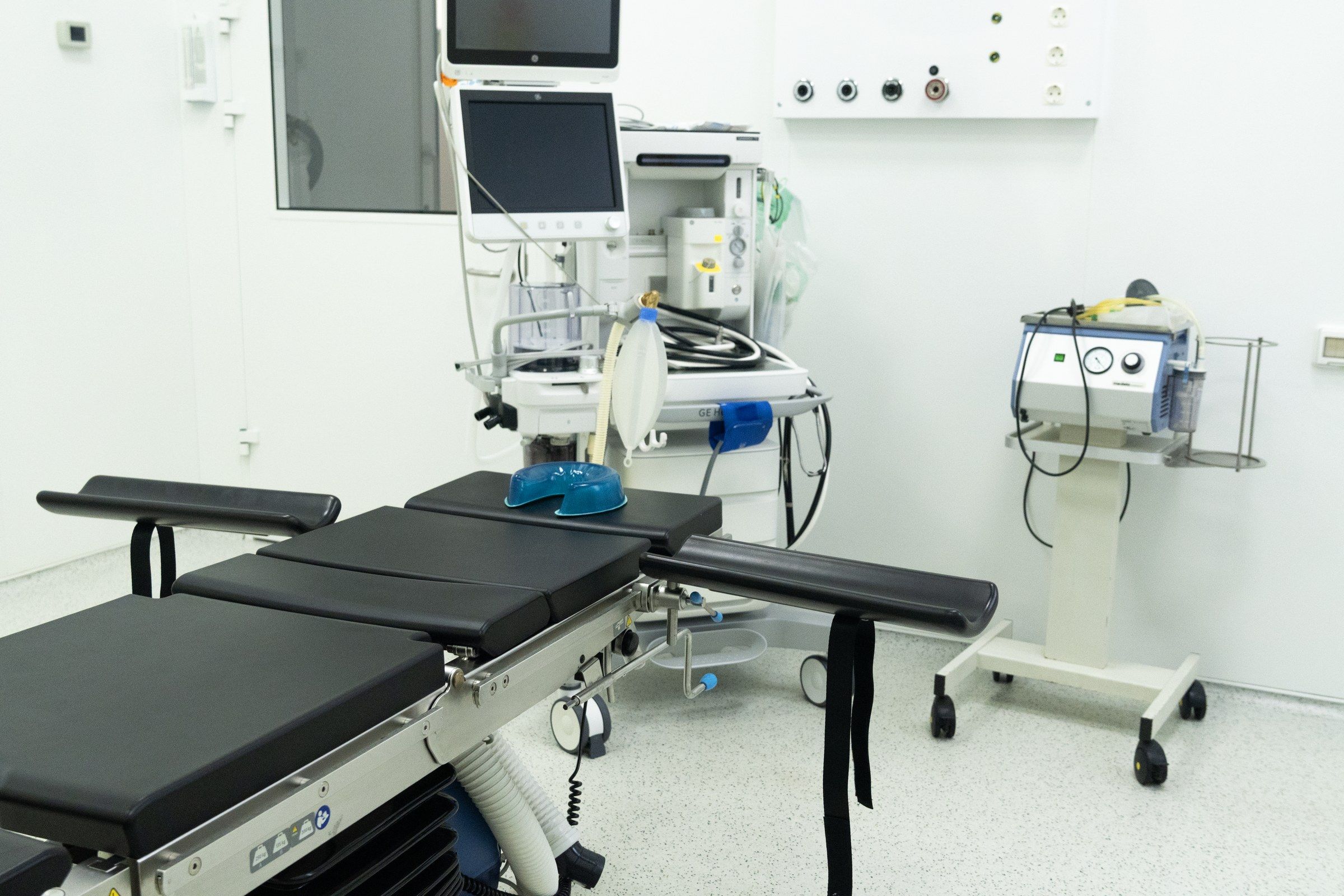
- Surgery day — marking, anaesthesia, liposuction, compression garment applied straight away.
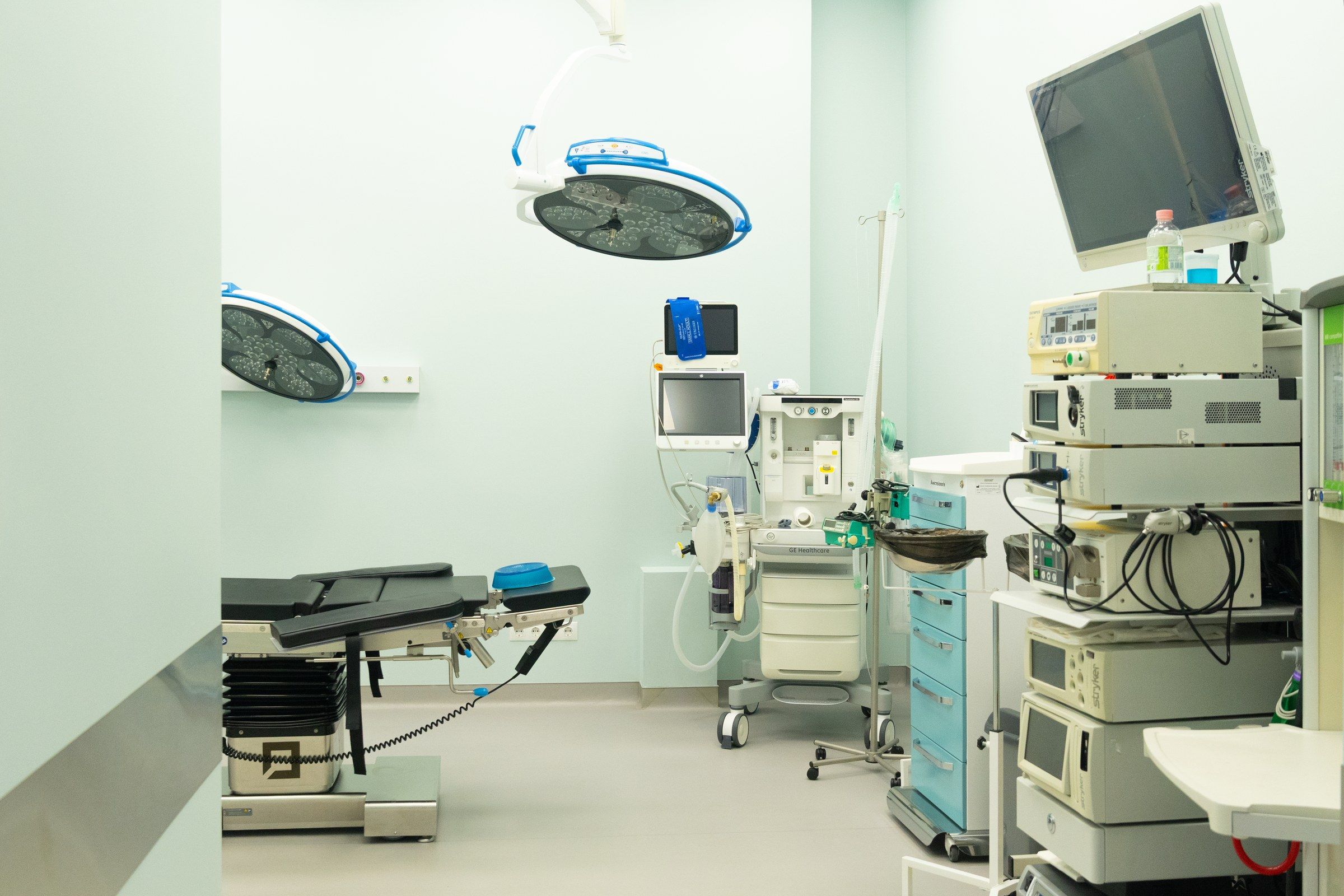
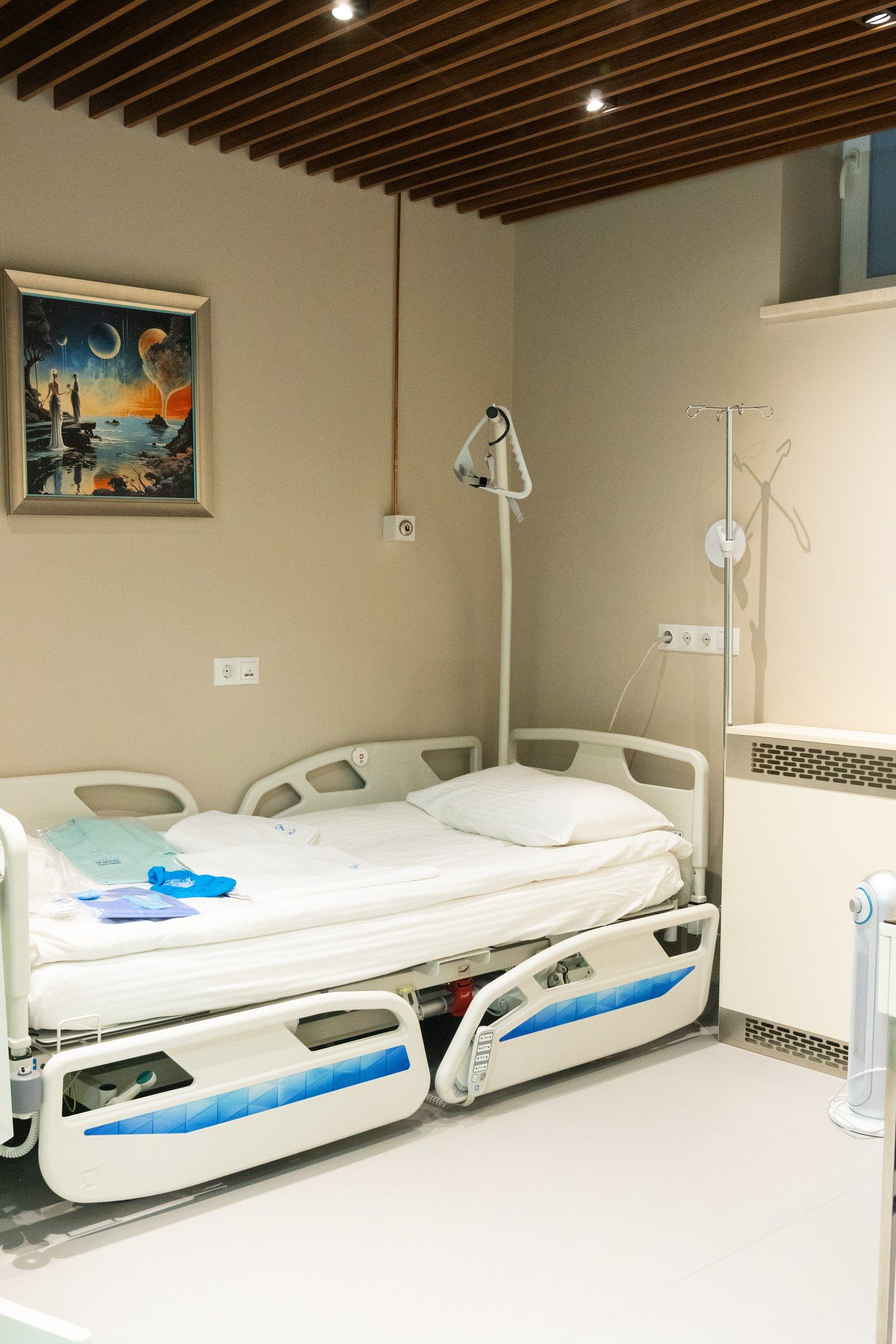
- Hospital stay — usually one night under medical supervision.
- Recovery — compression, check-ups, lymphatic drainage if prescribed.
Recovery and risks
Expect swelling, bruising and soreness in the first days. Compression is worn for several weeks; most people return to light activity in 1–2 weeks. As with any surgery, there are risks, including prolonged swelling, temporary numbness, contour irregularities, seroma, infection and, rarely, thromboembolic events. The surgeon will discuss your individual risks.
What to expect
Long-term studies show that most patients experience less pain, bruising and swelling and better mobility after liposuction. Outcomes depend on the stage, tissue volume, weight and aftercare, so no doctor can guarantee a specific result.
Questions
Can lipedema come back after liposuction?
When can I fly home?
Sources
- S2k Guideline Lipedema, AWMF register 037-012, 2024
- Baumgartner A et al. Improvements in patients with lipedema 4, 8 and 12 years after liposuction. Phlebology, 2021